Ready to Get Your Money Back From the IRS?
Bring us up to 3 years of past taxes and we’ll find ways to save you money, when we do we’ll help you file to get your money back from the IRS.
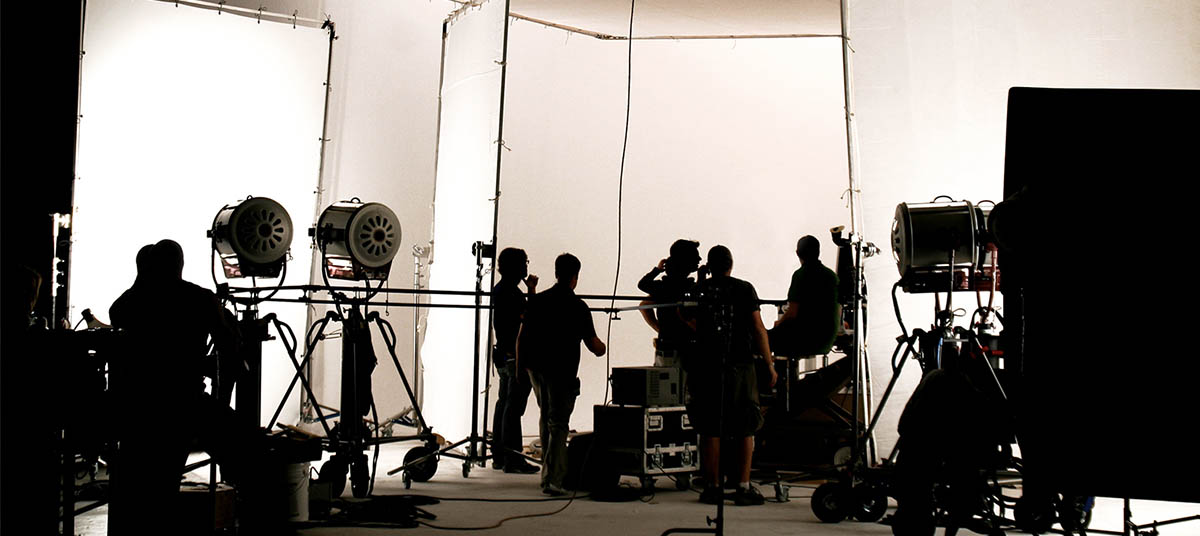
For years, the American film and television industry has watched production projects move overseas to take advantage of lucrative foreign financial incentives. In response, a bipartisan group of lawmakers is urging the federal government to establish a targeted tax incentive of its own to keep production within the United States.
Lawmakers have introduced the Motion Picture, Television, and Entertainment Revitalization Act, legislation designed to create a brand-new federal tax credit for qualifying domestic film and television productions.
The centerpiece of the proposal begins with a 20% credit on qualifying U.S. labor costs, with potential statutory bonuses raising the maximum incentive to 30%. Beyond its direct impact on entertainment studios, proponents highlight the legislation as a vital job-creation measure and economic driver for local small businesses.
Under the House version of the bill, qualifying film and television projects could receive a baseline tax credit equal to 20% of eligible compensation paid for services performed inside the United States.
To qualify for the credit, a production would generally need to incur total costs exceeding $1 million and perform at least 75% of its principal photography days within the United States.
The definition of eligible labor extends far beyond on-screen actors. The statutory text explicitly covers compensation paid to directors, writers, producers, camera operators, set designers, lighting and sound technicians, makeup artists, video editors, visual-effects providers, and numerous other production personnel. Qualifying services encompass work conducted during both pre-production and post-production phases.
The baseline 20% rate acts as the starting point under the legislation.
The bill outlines multiple opportunities for projects to earn an additional five percentage points in credit value, subject to an overall cap of 30%.
Bonus percentages are available for qualifying independent productions, as well as projects that film significant portions in rural Opportunity Zones or federally declared disaster areas. The legislation also provides additional incentives tied to increasing overall domestic production and filming across multiple states.
Recognizing that technical roles have increasingly moved abroad, the bill establishes specific qualification criteria tailored to visual-effects and post-production projects.

The United States faces growing international competition to secure entertainment production budgets.
Major foreign production hubs in Canada, the United Kingdom, Australia, and other countries offer significant tax programs that substantially reduce production expenses abroad. According to reporting by the Los Angeles Times, 45% of U.S. feature films and scripted television series were shot internationally last year, up from approximately one-third in 2022.
While individual states such as California, Georgia, New York, and Louisiana offer their own state-level production credits, advocates argue that state-by-state programs alone cannot effectively match foreign national incentives.
When lawmakers push to restore domestic film production, they focus heavily on crew members and support workers whose contributions occur behind the scenes.
A typical film or television project employs carpenters, electricians, costume designers, makeup artists, camera operators, drivers, construction workers, caterers, and hundreds of other skilled laborers.
Furthermore, production projects spend heavily with regional businesses, including hotels, restaurants, equipment rental firms, hardware stores, transportation companies, and local vendors.
This economic multiplier effect explains why the legislation enjoys broad regional support. The original Senate co-sponsors represent South Carolina, California, Texas, and Georgia, while the initial House coalition includes representatives from Texas, California, Georgia, Tennessee, Ohio, and New York. Legislative momentum continues to build, with additional senators from both parties joining as co-sponsors.

Not every media project would be eligible for the credit.
The proposal targets commercial film and television content. Explicitly excluded from qualification are news programming, live sports events, talk and interview shows, game shows, award broadcasts, and certain social-media content.
Additionally, commercial advertising, marketing materials, promotional campaigns, fundraising productions, and media made primarily for corporate or institutional internal use are excluded.
If enacted as drafted, the tax credit would apply to qualified productions whose principal photography begins in taxable years starting after December 31, 2026.
The ultimate passage of the bill remains uncertain. Introduced on September 24 with bipartisan support in both houses of Congress, the legislation also aligns with public calls from President Trump for federal entertainment incentives. Supporters hope to advance the bill during the post-election session.
Taxpayers and production companies should remember that this credit remains a proposal. The measure cannot be claimed today and could be modified significantly or fail to pass as it moves through Congress. Should you have questions about how proposed tax incentives could influence your business or industry tax planning, schedule a consultation with our professional tax advisory team today.
Sign up for our newsletter.
Bring us up to 3 years of past taxes and we’ll find ways to save you money, when we do we’ll help you file to get your money back from the IRS.
 |  |  |  |  |
See how we can help you today!